

In the heavy - machinery industry, ripper teeth play a crucial role in various earth - moving and excavation operations. These teeth are designed to break through tough materials such as rock, frozen ground, and hard - packed soil. As a leading ripper teeth supplier, I often encounter questions from customers about the possibility of artificially enhancing ripper teeth. In this blog post, I will explore this topic in depth, discussing the current state of technology, the methods of enhancement, and the potential benefits and limitations.
The Importance of Ripper Teeth
Ripper teeth are essential components of rippers, which are attachments commonly used on bulldozers, excavators, and other heavy - duty equipment. They are responsible for initiating the breakage of hard materials, allowing the machinery to perform tasks more efficiently. High - quality ripper teeth can significantly increase the productivity of an excavation project by reducing the time and effort required to break through tough ground.
For instance, in mining operations, ripper teeth are used to loosen overburden or extract ore from the ground. In construction projects, they help in preparing the site by breaking up large rocks and compacted soil. The performance of ripper teeth directly affects the overall efficiency and cost - effectiveness of these operations.
Can Ripper Teeth be Artificially Enhanced?
The short answer is yes. With the advancement of modern materials science and engineering techniques, it is possible to artificially enhance ripper teeth in several ways.
Material Selection and Treatment
One of the most common methods of enhancing ripper teeth is through the selection of high - quality materials and advanced heat - treatment processes. For example, using high - strength alloy steels can significantly improve the hardness and toughness of the teeth. These alloys often contain elements such as chromium, molybdenum, and vanadium, which enhance the material's mechanical properties.
Heat treatment, such as quenching and tempering, can further optimize the microstructure of the steel, increasing its wear resistance and impact toughness. By carefully controlling the heat - treatment parameters, manufacturers can achieve the desired balance between hardness and ductility, ensuring that the ripper teeth can withstand the harsh conditions of excavation work.
Surface Coating
Another effective way to enhance ripper teeth is through surface coating. Coatings can provide additional protection against wear, corrosion, and impact. For example, ceramic coatings can significantly increase the hardness of the tooth surface, reducing the rate of wear during operation. These coatings are applied using techniques such as thermal spraying or physical vapor deposition (PVD).
Additionally, some coatings can also improve the anti - corrosion properties of the ripper teeth, especially when working in environments with high humidity or exposure to chemicals. This helps to extend the service life of the teeth and reduce maintenance costs.
Design Optimization
In addition to material and coating improvements, the design of ripper teeth can also be optimized to enhance their performance. Advanced computer - aided design (CAD) and finite element analysis (FEA) techniques allow engineers to simulate the stress distribution and deformation of the teeth under different working conditions.
By analyzing these simulations, designers can make adjustments to the shape, size, and geometry of the teeth to improve their cutting efficiency, penetration ability, and overall durability. For example, a well - designed ripper tooth may have a more pointed tip and a streamlined shape, which can reduce the resistance during penetration and improve the overall performance of the ripper.
Examples of Enhanced Ripper Teeth in the Market
As a ripper teeth supplier, we offer a range of enhanced ripper teeth products. For example, our 6Y0309 Ripper Tooth is made of high - strength alloy steel and undergoes a special heat - treatment process. This tooth has excellent hardness and toughness, making it suitable for breaking through hard rocks and compacted soil.

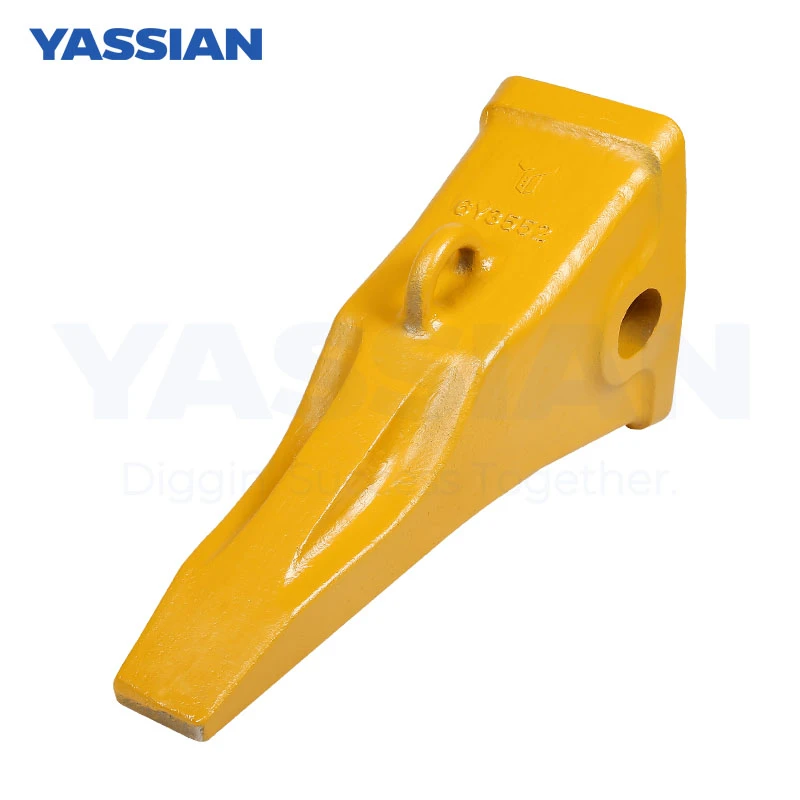
Our 6Y3552 CAT Ripper Teeth are also designed with advanced technology. They feature a unique surface coating that provides additional wear and corrosion resistance. These teeth are widely used in heavy - duty mining and construction projects, where they can significantly improve the efficiency and productivity of the excavation work.
In addition to the teeth, we also offer 1U3630 Ripper Shank Adapters. These adapters are designed to ensure a secure connection between the ripper teeth and the shank, improving the overall stability and performance of the ripper system.
Benefits of Artificially Enhanced Ripper Teeth
The artificial enhancement of ripper teeth offers several benefits to our customers.
Increased Productivity
Enhanced ripper teeth can break through tough materials more quickly and efficiently, reducing the time required for excavation projects. This leads to increased productivity and faster project completion, which is crucial in the highly competitive construction and mining industries.
Reduced Maintenance Costs
By improving the wear resistance and durability of the ripper teeth, the frequency of tooth replacement and maintenance can be significantly reduced. This not only saves on the cost of replacement parts but also reduces the downtime of the equipment, resulting in overall cost savings for the customer.
Improved Safety
Enhanced ripper teeth are less likely to break or fail during operation, reducing the risk of accidents and injuries. This is especially important in heavy - machinery operations, where the failure of a ripper tooth can lead to serious consequences.
Limitations and Considerations
While the artificial enhancement of ripper teeth offers many benefits, there are also some limitations and considerations that need to be taken into account.
Cost
Enhanced ripper teeth often come with a higher price tag due to the use of high - quality materials and advanced manufacturing processes. Customers need to carefully evaluate the cost - benefit ratio before making a purchase decision. However, in many cases, the long - term savings in terms of productivity and maintenance costs can outweigh the initial investment.
Compatibility
When using enhanced ripper teeth, it is important to ensure that they are compatible with the existing ripper shanks and heavy - machinery. Incompatible teeth can lead to reduced performance and even damage to the equipment. Therefore, customers should consult with the manufacturer or supplier to ensure proper fit and compatibility.
Environmental Impact
Some of the materials and processes used in the enhancement of ripper teeth, such as certain coatings and heat - treatment methods, may have an environmental impact. Manufacturers need to ensure that they comply with environmental regulations and adopt sustainable practices in the production process.
Conclusion
In conclusion, ripper teeth can be artificially enhanced through various methods, including material selection and treatment, surface coating, and design optimization. These enhancements can significantly improve the performance, durability, and productivity of the teeth, offering many benefits to our customers in the construction and mining industries.
As a leading ripper teeth supplier, we are committed to providing high - quality, enhanced ripper teeth products that meet the diverse needs of our customers. If you are interested in learning more about our ripper teeth or would like to discuss your specific requirements, please feel free to contact us for procurement and negotiation. We look forward to working with you to achieve your project goals.
References
- Callister, W. D., & Rethwisch, D. G. (2010). Materials Science and Engineering: An Introduction. Wiley.
- Kalpakjian, S., & Schmid, S. R. (2008). Manufacturing Engineering and Technology. Pearson.
- Ashby, M. F., & Jones, D. R. H. (2005). Engineering Materials 1: An Introduction to Properties, Applications, and Design. Butterworth - Heinemann.


