

Do Ripper Teeth vary in different species?
As a dedicated supplier of ripper teeth, I've spent a significant amount of time exploring the fascinating world of these essential tools. One question that often comes up is whether ripper teeth vary across different "species" - in this context, different types of heavy - machinery applications and equipment. The answer is a resounding yes, and in this blog, I'll delve into the details of how and why these variations exist.
1. Design Variations Based on Machinery Type
The first major factor influencing the variation in ripper teeth is the type of machinery they are intended for. Bulldozers, graders, and excavators each have unique requirements, which are reflected in the design of their ripper teeth.
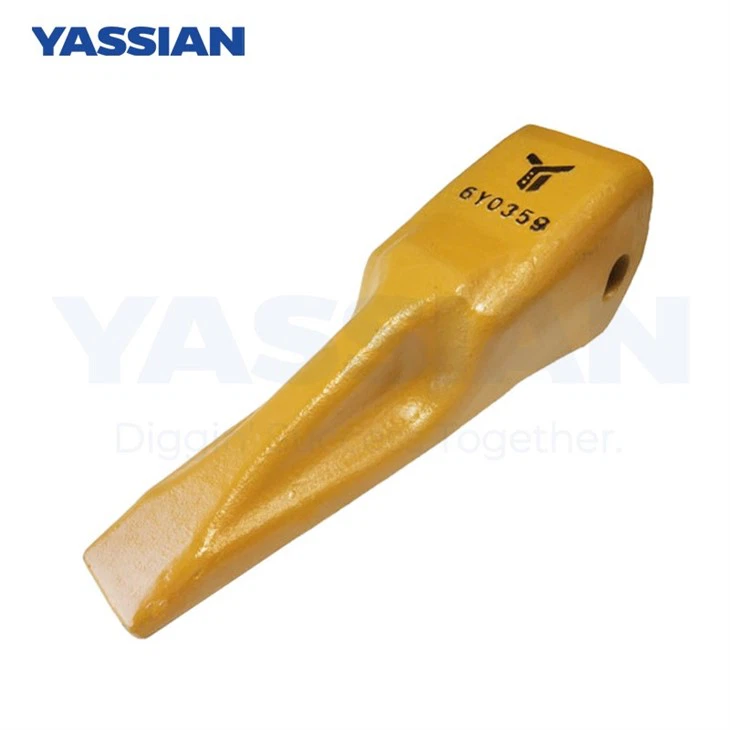
Bulldozer ripper teeth, for example, are built to withstand high - impact forces. Bulldozers are often used in large - scale earth - moving and demolition projects, where they need to break through hard - packed soil, rocks, and even frozen ground. These teeth are typically larger and more robust than those used on other types of machinery. A great example of a high - quality bulldozer ripper tooth is the 6Y0359 Ripper Tooth. It is designed with a sharp tip and a strong body to penetrate tough materials effectively. The shape of the tooth is optimized to distribute the force evenly, reducing the risk of breakage and ensuring long - term durability.
On the other hand, grader scarifier teeth are designed for a different purpose. Graders are used to level and smooth surfaces, and their scarifier teeth are mainly used to break up the top layer of soil or asphalt. These teeth are generally smaller and more numerous than bulldozer ripper teeth. The 2D5572 6Y5230 Grader Scarifier Teeth are a prime example. They are arranged in a row on the grader's scarifier bar and work together to loosen the surface material. Their design allows for precise control and efficient operation, making them ideal for road - building and maintenance projects.
Excavator ripper teeth also have their own unique characteristics. Excavators are used for digging and trenching, and their ripper teeth need to be able to penetrate and break up soil and rock while maintaining good digging efficiency. These teeth are often designed with a curved shape to facilitate the digging process. They are also made from materials that can resist wear and tear, as excavators are constantly in contact with abrasive materials.
2. Material Differences
Another crucial aspect of the variation in ripper teeth is the material used in their construction. Different applications require different levels of hardness, toughness, and wear resistance.
For heavy - duty applications like bulldozer ripping, teeth are often made from high - strength alloy steels. These steels can withstand the extreme forces and impacts associated with breaking through hard materials. They are heat - treated to achieve the optimal combination of hardness and toughness. For example, some bulldozer ripper teeth are made from a special alloy that contains elements such as chromium, nickel, and molybdenum. These elements enhance the steel's strength and corrosion resistance, ensuring that the teeth can perform well in harsh environments.
Grader scarifier teeth, on the other hand, may be made from a different type of steel or even a composite material. Since they are not subjected to the same high - impact forces as bulldozer teeth, they can be designed with a focus on wear resistance and cost - effectiveness. Some grader scarifier teeth are made from a hardened steel that provides good wear resistance while being relatively inexpensive to produce.
Excavator ripper teeth also require a balance between hardness and toughness. They are often made from a medium - carbon steel that has been heat - treated to increase its strength. Additionally, some excavator teeth may have a coating or a surface treatment to improve their wear resistance. This helps to extend the lifespan of the teeth and reduce the frequency of replacement.
3. Tooth Geometry and Cutting Edge Design
The geometry and cutting edge design of ripper teeth also vary depending on the application. The shape of the tooth can have a significant impact on its performance.
Bulldozer ripper teeth typically have a pointed or chisel - shaped tip. This design allows them to penetrate hard materials more easily. The angle of the cutting edge is also carefully designed to maximize the force applied to the material being ripped. A well - designed bulldozer ripper tooth can break through rocks and hard soil with minimal effort, improving the efficiency of the bulldozer.
Grader scarifier teeth usually have a flat or slightly curved cutting edge. This design is suitable for breaking up the top layer of soil or asphalt. The teeth are arranged in a way that allows them to work together to create a smooth and even surface. The spacing between the teeth is also important, as it affects the size of the material fragments that are produced.

Excavator ripper teeth may have a more complex geometry. Some teeth have a serrated or stepped cutting edge, which helps to increase the cutting efficiency. The shape of the tooth can also be designed to prevent soil and debris from sticking to it, ensuring smooth operation.
4. Compatibility and Customization
In addition to the variations based on machinery type, material, and design, ripper teeth also need to be compatible with the specific equipment they are used on. Different manufacturers may have different mounting systems and specifications for their ripper teeth.
As a ripper teeth supplier, we understand the importance of compatibility. We offer a wide range of ripper teeth that are designed to fit various makes and models of heavy machinery. Whether you have a CAT bulldozer, a John Deere grader, or a Komatsu excavator, we can provide you with the right ripper teeth.
Moreover, we also offer customization services. If you have specific requirements for your ripper teeth, such as a unique shape or a special material, we can work with you to develop a customized solution. For example, if you are working on a project in a particularly harsh environment, we can recommend a tooth with enhanced wear and corrosion resistance.
5. The Importance of Choosing the Right Ripper Teeth
Choosing the right ripper teeth for your equipment is crucial for achieving optimal performance and efficiency. Using the wrong type of teeth can lead to decreased productivity, increased wear and tear on the equipment, and even safety hazards.
For example, if you use a grader scarifier tooth on a bulldozer, it will likely break or wear out quickly due to the high - impact forces. On the other hand, using a bulldozer ripper tooth on a grader may be overkill and could damage the grader's scarifier bar.
By selecting the appropriate ripper teeth based on your machinery type, application, and working conditions, you can ensure that your equipment operates at its best. This will not only save you time and money in the long run but also improve the overall quality of your work.
Conclusion
In conclusion, ripper teeth vary significantly across different species of heavy - machinery applications. These variations are driven by factors such as machinery type, material requirements, design considerations, and compatibility. As a ripper teeth supplier, we are committed to providing our customers with high - quality, reliable, and customized ripper teeth solutions.
If you are in the market for ripper teeth, whether it's the CAT 8E7350 Weld On Ripper Noses, the 2D5572 6Y5230 Grader Scarifier Teeth, or the 6Y0359 Ripper Tooth, we invite you to contact us for a detailed discussion about your needs. Our team of experts is ready to assist you in finding the perfect ripper teeth for your equipment.
References
- Machinery's Handbook: A comprehensive guide to the design and operation of heavy machinery, which includes information on ripper teeth.
- Journal of Construction Equipment and Technology: Articles on the latest developments in ripper teeth technology and their applications.
- Manufacturer's specifications and technical manuals for heavy - machinery equipment.


