

Finding the right distributor for Ripper Protectors is a crucial step for a supplier like me. In the highly competitive market of heavy - equipment parts, having a reliable distributor can make a significant difference in the success of our business. Ripper Protectors are essential components that protect the ripper shanks of heavy machinery such as bulldozers and excavators, ensuring their durability and efficient operation.
Understanding the Market Needs
Before we start looking for a distributor, it's vital to understand the market needs. Different industries have different requirements for Ripper Protectors. For example, the mining industry demands extremely durable and wear - resistant protectors due to the harsh working conditions. On the other hand, the construction industry may focus more on cost - effectiveness and quick availability.
By analyzing market trends, we can identify the types of Ripper Protectors that are in high demand. For instance, with the increasing use of large - scale mining equipment, heavy - duty protectors are becoming more popular. We also need to consider the geographical location of potential customers. Some regions may have a higher concentration of mining activities, while others may be more construction - centric. This information will help us target the right distributors who have access to these specific markets.
Criteria for Selecting a Distributor
When choosing a distributor for Ripper Protectors, several key criteria should be considered.
Market Reach
A distributor with a wide market reach is essential. They should have an established network of customers in the industries where our Ripper Protectors are in demand. This could include direct sales to mining companies, construction firms, and equipment rental agencies. For example, a distributor with a strong presence in South America may be able to reach a large number of mining operations in that region, which can significantly increase our sales.
Reputation
The reputation of the distributor is another critical factor. A distributor with a good reputation is more likely to be trusted by customers. They should have a history of providing high - quality service, timely delivery, and accurate product information. We can research the distributor's reputation by checking customer reviews, industry references, and their track record in the market.
Inventory Management
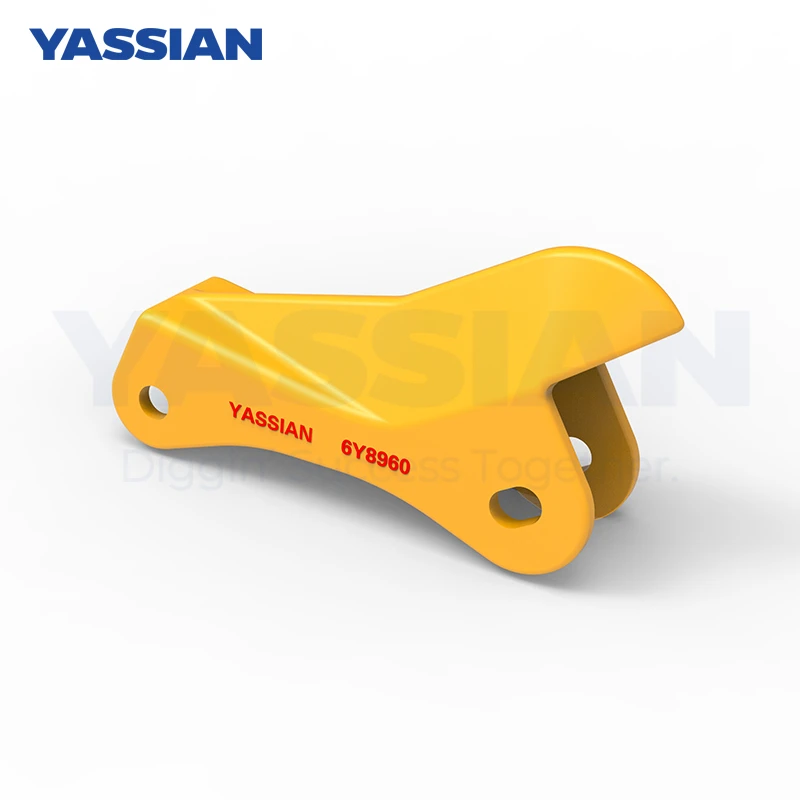
Effective inventory management is crucial for ensuring that our Ripper Protectors are available when customers need them. A distributor should have a well - organized inventory system that can handle different types and quantities of protectors. They should also be able to forecast demand accurately to avoid over - or under - stocking. For example, if a distributor can maintain a sufficient stock of 6Y8960 Cat Ripper Shank Protector, it can meet the immediate needs of customers who use Cat machinery.
Technical Knowledge
Ripper Protectors are technical products, and a distributor with good technical knowledge can provide better support to customers. They should be able to understand the features and benefits of our products and communicate them effectively to potential buyers. For example, they should be able to explain the differences between different models of protectors, such as the 195 - 78 - 21320 Komatsu Shank Protector and other similar products, and help customers choose the most suitable one for their equipment.
Marketing and Promotion
A distributor should have a solid marketing and promotion strategy to increase the visibility of our Ripper Protectors in the market. This could include online marketing, participation in industry trade shows, and targeted advertising campaigns. By promoting our products effectively, they can generate more leads and increase sales.
Finding Potential Distributors
There are several ways to find potential distributors for Ripper Protectors.
Industry Trade Shows
Industry trade shows are excellent platforms to meet potential distributors. These events bring together manufacturers, distributors, and end - users from the heavy - equipment parts industry. We can showcase our Ripper Protectors, network with distributors, and learn about the latest market trends. At trade shows, we can also assess the interest of distributors in our products and start initial discussions about a partnership.
Online Directories
Online directories are a convenient way to find distributors. There are many industry - specific directories that list distributors of heavy - equipment parts. We can search for distributors based on their location, product range, and other criteria. By contacting these distributors directly, we can introduce our Ripper Protectors and explore the possibility of a partnership.
Referrals
Referrals from other industry players can be very valuable. We can ask our existing customers, suppliers, or business partners if they know of any reliable distributors. Referrals often come with a certain level of trust, and it can be easier to establish a relationship with a distributor recommended by someone we know.

Evaluating Distributors
Once we have identified potential distributors, we need to evaluate them thoroughly.
Requesting Proposals
We can send out requests for proposals (RFPs) to the potential distributors. The RFP should include detailed information about our Ripper Protectors, our expectations from the distributor, and the terms of the partnership. In response, the distributors will provide their proposals, which will include information about their market reach, marketing plans, inventory management strategies, and pricing.
Site Visits
If possible, we should conduct site visits to the distributors' facilities. This will allow us to see their operations firsthand, including their inventory management system, customer service processes, and marketing capabilities. A site visit can also help us build a personal relationship with the distributor's team, which is important for a successful partnership.
Contract Negotiation
After evaluating the distributors, we can start contract negotiation. The contract should clearly define the rights and obligations of both parties, including the pricing, payment terms, delivery schedules, and marketing responsibilities. It's important to ensure that the contract is fair and beneficial for both sides.
Building a Long - Term Partnership
Once we have selected a distributor, the next step is to build a long - term partnership.
Communication
Regular communication is essential for maintaining a good relationship with the distributor. We should have open channels of communication to discuss sales performance, market trends, and any issues that may arise. By sharing information, we can work together to improve the sales of our Ripper Protectors.
Training and Support
We should provide training and support to the distributor's sales team. This can include product training, technical support, and marketing training. By equipping the sales team with the necessary knowledge and skills, they can better promote our Ripper Protectors and provide better service to customers.
Incentive Programs
Incentive programs can be used to motivate the distributor to achieve higher sales targets. For example, we can offer volume - based discounts, bonuses for achieving sales goals, or rewards for promoting new products. Incentive programs can help strengthen the partnership and increase the distributor's commitment to our products.
Conclusion
Finding the right distributor for Ripper Protectors is a complex but essential process. By understanding the market needs, setting clear criteria for selection, and thoroughly evaluating potential distributors, we can find a partner who can help us expand our business and increase the sales of our products. A long - term partnership with a reliable distributor can bring many benefits, including increased market share, better customer service, and improved profitability.
If you are interested in our 6Y8960 Cat Ripper Shank Protector, 195 - 78 - 21320 Komatsu Shank Protector, 6J8814 D8 Ripper Shank or other Ripper Protectors, we invite you to contact us to discuss a potential procurement and partnership. We are committed to providing high - quality products and excellent service to our customers.
References
- "Heavy Equipment Parts Distribution: Best Practices" by Industry Research Group
- "Market Trends in Heavy - Equipment Parts" by Heavy Equipment Journal
- "Building Successful Distributor Partnerships" by Business Management Institute


