

As a supplier of 6 ft grader blades, I've encountered numerous inquiries about the abrasion resistance of these essential construction tools. Abrasion resistance is a critical factor that determines the longevity and performance of grader blades in various applications. In this blog post, I'll delve into what abrasion resistance means for a 6 ft grader blade, the factors that influence it, and how we ensure our products offer top - notch resistance.
Understanding Abrasion Resistance
Abrasion resistance refers to a material's ability to withstand the wearing away caused by friction when it comes into contact with another surface. For a 6 ft grader blade, this means the blade's capacity to resist damage as it scrapes, levels, and grades different types of terrain, such as soil, gravel, asphalt, and rocks. When a grader blade has high abrasion resistance, it can maintain its sharp edge and structural integrity over an extended period, reducing the need for frequent replacements and saving both time and money for the end - users.
Factors Affecting Abrasion Resistance of 6 ft Grader Blades
Material Composition
The choice of material is perhaps the most significant factor influencing abrasion resistance. Our 6 ft grader blades are typically made from high - strength steel alloys. These alloys are carefully formulated to contain elements such as carbon, manganese, chromium, and nickel. Carbon increases the hardness of the steel, which is crucial for withstanding the abrasive forces during grading operations. Manganese enhances the steel's toughness and ductility, allowing it to absorb impact without cracking. Chromium forms a protective oxide layer on the surface of the steel, which not only provides corrosion resistance but also contributes to abrasion resistance. Nickel further improves the steel's toughness and strength, especially at low temperatures.
Heat Treatment
Heat treatment is a vital process that can significantly enhance the abrasion resistance of grader blades. After the blades are formed from the raw steel, they undergo a series of heat - treating steps. Quenching, for example, involves rapidly cooling the heated blade to increase its hardness. Tempering follows quenching to relieve internal stresses and improve the blade's toughness. The combination of proper quenching and tempering results in a blade with a hard, wear - resistant surface and a tough core, providing an optimal balance between abrasion resistance and impact resistance.
Surface Finish
The surface finish of a grader blade also plays a role in its abrasion resistance. A smooth surface finish reduces friction between the blade and the ground, minimizing the wear caused by abrasion. Our manufacturing process includes precision machining and polishing steps to ensure that the surface of our 6 ft grader blades is as smooth as possible. Additionally, some of our blades are treated with special coatings that further enhance their abrasion resistance. These coatings act as a barrier between the blade and the abrasive materials, reducing direct contact and wear.
Testing and Quality Assurance
To ensure that our 6 ft grader blades meet the highest standards of abrasion resistance, we conduct rigorous testing procedures. We use advanced testing equipment to simulate real - world grading conditions. For example, we perform abrasion tests where the blades are subjected to controlled amounts of abrasive materials under different pressure and speed conditions. We measure the amount of material loss over a specific period to determine the blade's abrasion rate. Only blades that pass these strict tests are approved for sale.

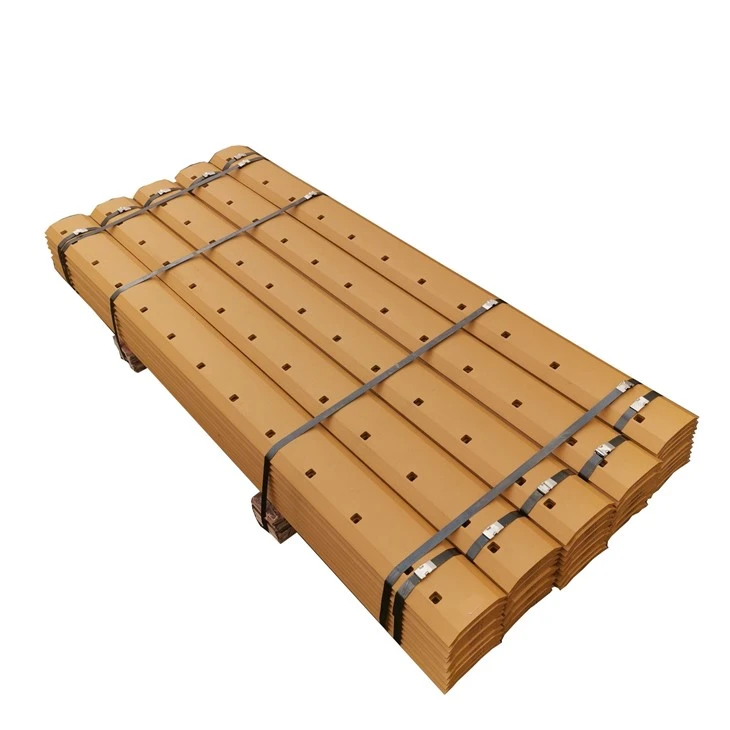
Our Product Range and Their Abrasion Resistance
We offer a diverse range of 6 ft grader blades to meet the different needs of our customers. The 5D9553 Cutting edge is a popular choice among contractors working on various terrains. It is made from a high - grade steel alloy and undergoes a specialized heat - treatment process. The result is a cutting edge that offers excellent abrasion resistance, even when used on rough and abrasive surfaces.
The 8E5529 Grader Blade Edge is another product in our lineup. It is designed with a unique geometry and a high - performance steel composition. The blade edge is engineered to distribute the abrasive forces evenly, reducing localized wear and enhancing overall abrasion resistance.
Our 4T2244 Curved Grader Blade is specifically designed for applications where a curved blade is required. The curvature of the blade allows for more efficient grading in certain situations. Despite its unique shape, it is made from a material with high abrasion resistance and is heat - treated to ensure long - lasting performance.
Benefits of High Abrasion Resistance in 6 ft Grader Blades
Cost - Efficiency
When a grader blade has high abrasion resistance, it lasts longer. This means that contractors don't have to replace the blades as frequently, reducing the overall cost of equipment maintenance. Fewer blade replacements also mean less downtime for the grading equipment, allowing for more continuous and productive work.
Productivity
A blade with good abrasion resistance can maintain its cutting performance over time. This ensures that the grading process is efficient and consistent. The blade can cut through the material smoothly, resulting in a more even and precise grading job. As a result, projects can be completed more quickly, improving overall productivity.
Environmental Impact
Long - lasting grader blades also have a positive environmental impact. By reducing the frequency of blade replacements, less steel is consumed, which conserves natural resources. Additionally, the manufacturing process for grader blades requires energy, and fewer replacements mean less energy consumption overall.
Contact Us for Your Grader Blade Needs
If you're in the market for high - quality 6 ft grader blades with excellent abrasion resistance, we're here to help. Our team of experts can provide you with detailed information about our products, including their abrasion resistance properties, and assist you in choosing the right blade for your specific application. Whether you're working on a small construction project or a large - scale infrastructure development, our grader blades are designed to meet your needs. Reach out to us to start a conversation about your requirements and let's work together to find the best solution for your grading operations.
References
- "Materials Science and Engineering: An Introduction" by William D. Callister Jr. and David G. Rethwisch
- "Manufacturing Engineering and Technology" by S. Kalpakjian and S. R. Schmid


